
Why Use a Bead Mill for Coatings Slurry Production?
Coatings are essential for construction, automotive, furniture, industrial equipment and some other industries. These high-quality coatings are manufactured through complex process. It needs precise control of raw materials metering, dispersion, grinding, and mixing.
Among all these process, grinding plays a key role in determining the final performance of coatings. The particle size, uniformity, and dispersion quality of pigments directly affect important properties such as color strength, gloss, stability, hiding power and durability.
To achieve high-quality coatings with consistent performance, bead mill machine has been the most critical equipment in the coating production industry. The bead mill grinding machines have high grinding efficiency, excellent particle size control, and continuous operation capability.
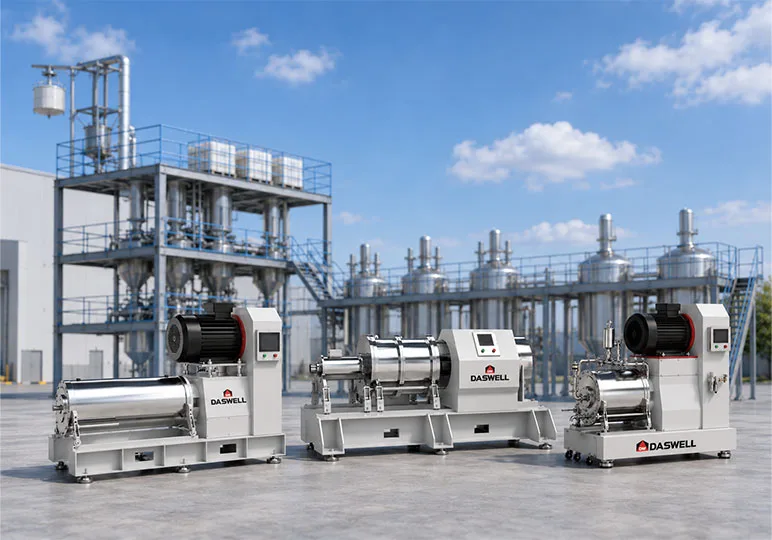
Why Choose Bead Mill Grinding Machine in Coating Production Industry?
Grinding is the key process in coating production. Although the pigments and fillers are fine powders in appearance, there may be some agglomerations. They should be broken down for better dispersion in the liquid system.
The main function of grinding is to reduce pigment particle size and achieve uniform dispersion. Proper grinding helps pigments fully develop their color properties and also improves the overall quality of the coating. The bead mill grinding machine utilizes small grinding media and high-speed mechanical energy to break down pigment agglomerates and achieve uniform dispersion. This advanced grinding technology is helpful for coating manufacturers to improve product quality, increase production efficiency, and reduce overall processing costs.
Pigments directly determine the color strength, brightness, and appearance of coatings. While the pigments are easy to be agglomerated during storage and transportation. This influences color development negatively.
The bead mill machine generates intensive shear and impact forces between grinding beads and coating materials. It reduces pigment particle size and create a more uniform dispersion system.
Using bead mill equipment, you can get high-quality coatings with stronger color strength, more consistent color shades, better pigment utilization, and improved batch-to-batch stability. Thus, for your high-performance coatings production, which requires precise color control, the bead mills are suitable.
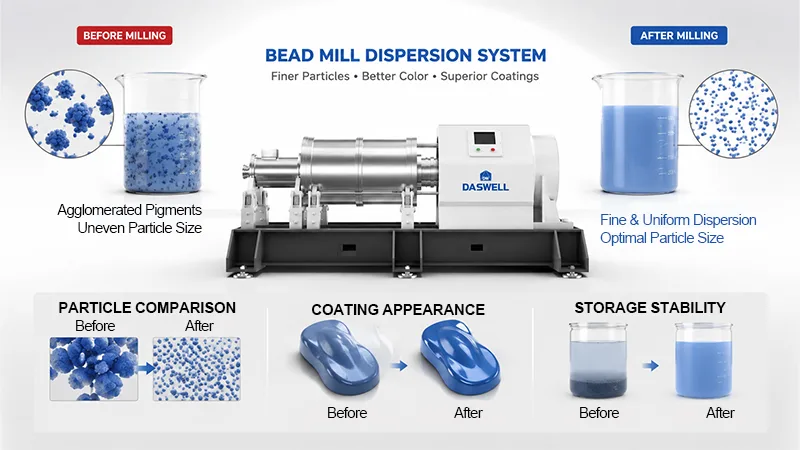
Particle size distribution affects the final appearance of coatings.Lager or uneven particles may cause rough surfaces, reduced gloss, and poor film formation.
Bead milling technology enables ultra-fine grinding and narrow particle distribution. This makes pigments and fillers disperse uniformly in coating systems.
The bead mill grinding machines are widely used in automotive coatings, industrial coatings, wood coatings, and other applications, which requires premium surface finishes.
Poor dispersion leads to pigment settling, separation, and viscosity changes during storage. These problems reduce product quality and increase production losses.
Using the bead mills for coatings processing, it helps maintain coating stability and prevent pigment agglomeration. the coatings may have longer storage stability, reduced settling problems, more consistent viscosity and better product reliability during transportation and application.
For your coatings manufacturing, choosing the right bead mill is not only about getting smaller particle size. It is also about improving the overall performance and competitiveness of the final product.
What Are the Key Factors Affecting Grinding Performance in Paint Production?
There are may different factors, which influence the grinding effects. It is key for you to choose your right grinding equipment and optimize operating conditions for excellent grinding effects and coatings quality. Here you can know them better.
Raw Material Characteristics
Different pigments and fillers have different hardness, particle sizes, viscosity, and moisture.
Generally, the harder materials or materials with strong agglomeration require higher grinding energy.
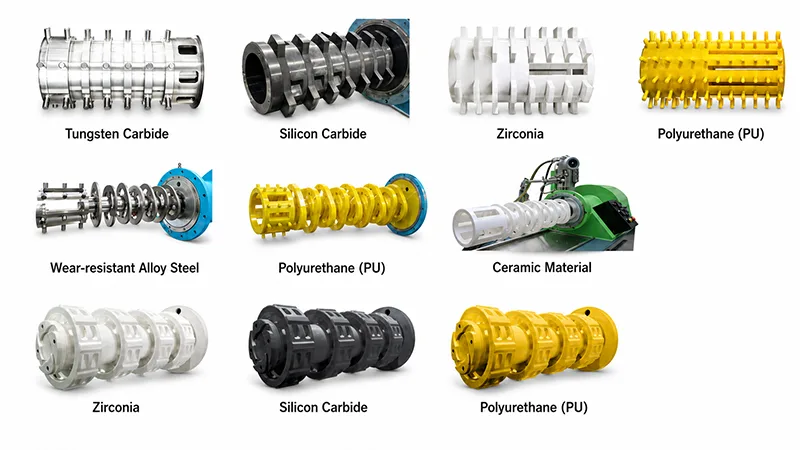
For example, compared with some organic pigments, the inorganic pigments often require strong grinding forces. For your different materials, we can customize rotor materials.
Grinding Speed
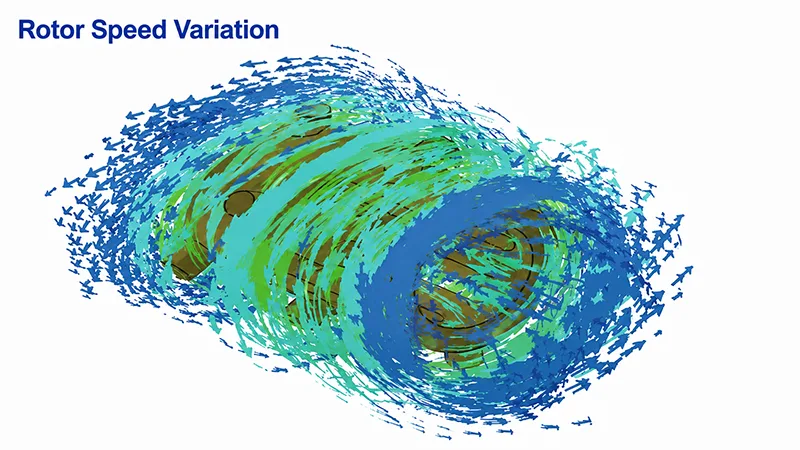
The rotor speed determines the movement intensity of grinding media. Higher speeds generate stronger shear and impact forces. This improves grinding efficiency.
However, excessive speed may increase temperature and energy consumption. You had better adjust the speed properly.
Our bead mill grinding machine enables precise control over rotor speed, slurry flow rate, and residence time.
Initial Particle Size
The original particle size of raw materials determines the grinding difficulty. Larger particles require more grinding time and energy to reach the required fineness.
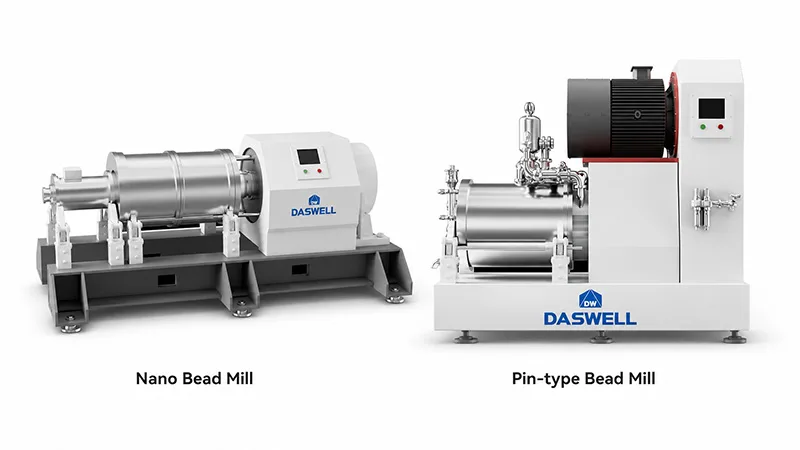
For example, the pin bead mill and nano bead mill have different requirements for the initial particle size.
For your information, pre-dispersion and proper raw material preparation can improve the efficiency.
If you want to know more about these, send a message to Daswell Powder. Our professional team can customize it for you.
Bead Size and Material
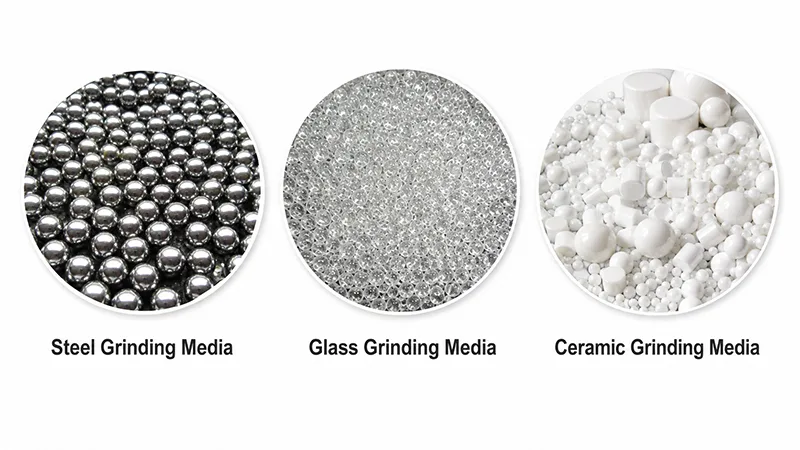
Similar to the ball mill grinding machine, the grinding media inside a sand mill machine also directly affects grinding performance.
The smaller beads are more suitable for producing finer particles, and the larger beads provide stronger impact force for breaking larger agglomerates.
Except for the beads size, the bead material also influences the grinding efficiency, wear resistance, and contamination control. Zirconia and glass beads are suitable for different grinding requirements.
According to your different materials and grinding requirements, we offer you various grinding beads for your selection.
Cooling and Temperature Control
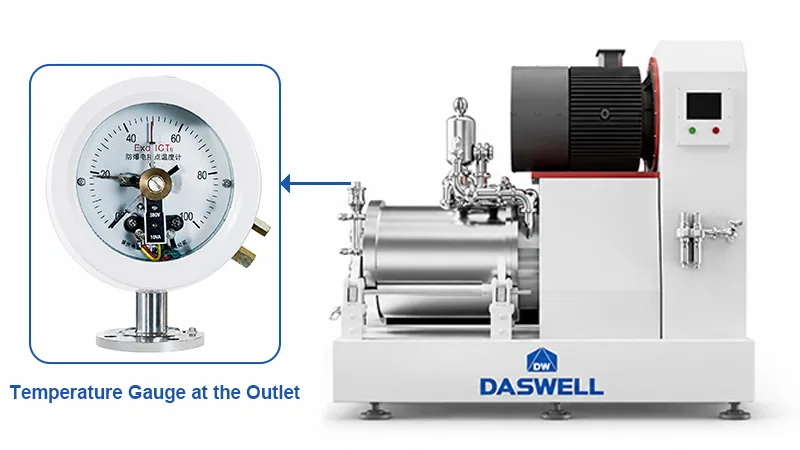
During the grinding process, it generates heat due to friction between beads and materials.
Excessive temperature can affect panits quality. A cooling system is essential. Especially for heat-sensitive materials, an efficient cooling system helps maintain stable production conditions and ensures consistent product quality.
We can customize the bead mill design and configure a suitable cooling system for you.
What Is Complete Coatings Slurry Production Process with Bead Mill Grinding Machine
A complete coatings slurry production line with a bead mill grinding machine usually includes raw materials preparation, premixing, pre-dispersion, fine grinding, filtration, final mixing, and packaging.
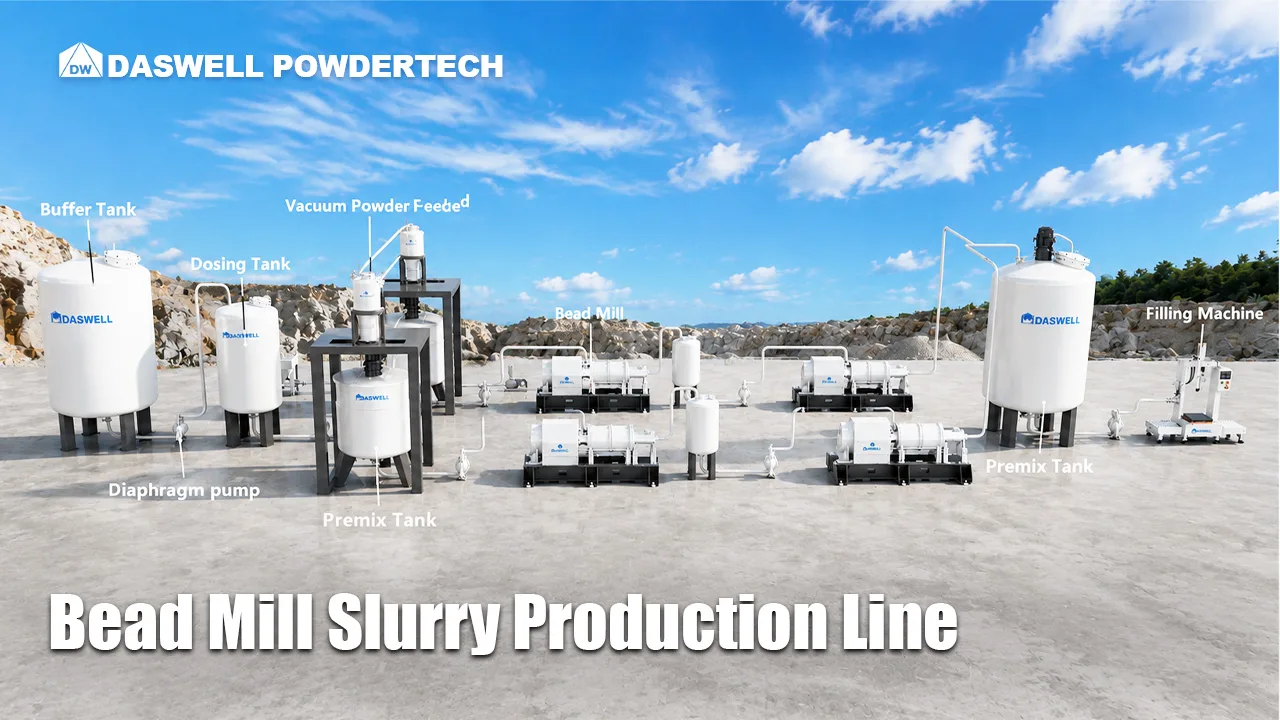
Based on your raw materials, viscosity, feeding size, and final product requirements, we can customize your own bead mill grinding line. For your different coatings manufacturing business, our professional team can configure the corresponding equipment.
Whether for your individual bead mills or complete coatings production lines, we can meet your needs. Contact us and you can get your customized coatings slurry bead mill plant.