
10 Tips to Improve Your Ball Mill Efficiency
Ball mill grinding machine is one of the most widely used grinding machines in mining and mineral powder processing industries.
They are popular because of their strong material adaptability, stable operation, flexible fineness adjustment, large production capacity, and simple maintenance.
Whether you want to process calcium carbonate, quartz, talc, gypsum, chalk, limestone, feldspar, or some other non-metallic minerals, ball mill machine remains an important choice for fine and ultrafine grinding systems.
Do you want to increase your ball mill grinding efficiency, reduce energy consumption, and increase finished powder output?
The good news is that you don’t always need to replace your equipment. By optimizing your ball mill configuration, operating parameters, classification systems, and grinding media management, ball mill efficiency will be improved significantly.
How to Improve Ball Mill Grinding Efficiency?
As an experience ball mill grinding solution supplier for mineral powder processing, Daswell Powder has rich experience on grinding machine improvement. Here are 10 practical and proven methods to improve the grinding performance, reduce energy consumption, and increase the finished powder yield.
1. Choose the Right Ball Mill Configuration
It is the first and important step for you to choose the suitable ball mill configuration. It includes selecting the appropriate nall mill design for your application and matching with the suitable auxiliary equipment. This can maximize efficiency, product quality, and energy savings.
L/D Ratio
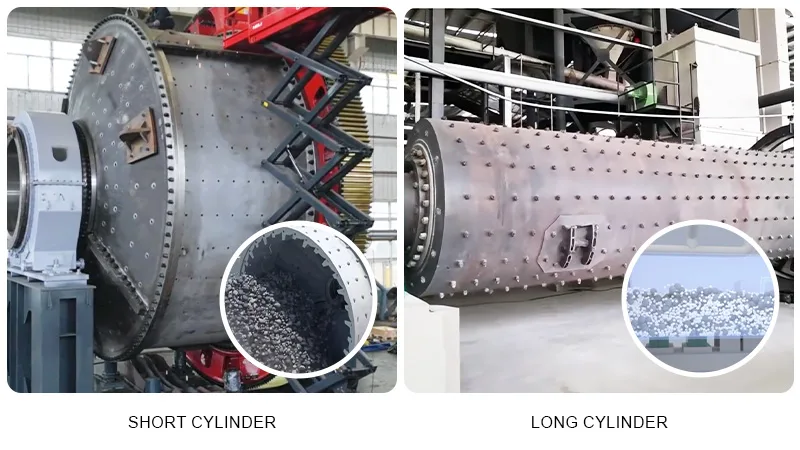
According to the different grinding requirements, the ball mill grinding equipment can be classified into three types: short cylinder, long cylinder, and con type- mills. Different length-to-diameter ratios are suitable for different materials, fineness ranges, and production capacities. For example:
System Fit
In real manufacturing, low production efficiency not comes from operation. It may be caused by unmatchable equipment. Choosing a suitable configured ball mill grinding system can improve grinding efficiency significantly. Meanwhile, it can also reduce the energy consumption from the beginning.
In the mineral powder processing plants, adding pre-grinding system and efficient classifiers can further improve the performance. Closed-circuit grinding system can separate the qualified particles efficiently, and returning the oversized particles to grinding mill for regrinding. This greatly improves productivity and powder quality.
2. Reduce Feed Size
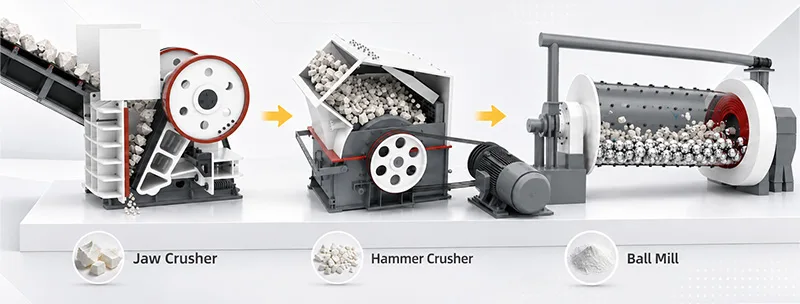
One of the most effective methods to improve grinding efficiency is reducing the feeding size. The smaller the feed material entering the grinding mill, the easier it is to grind. Adding a pre-grinding system before ball mill grinding machine can reduce grinding workload. Meanwhile, it also helps reduce energy consumption and increase mill throughput.
3. Maintain Proper Ball Filling Rate
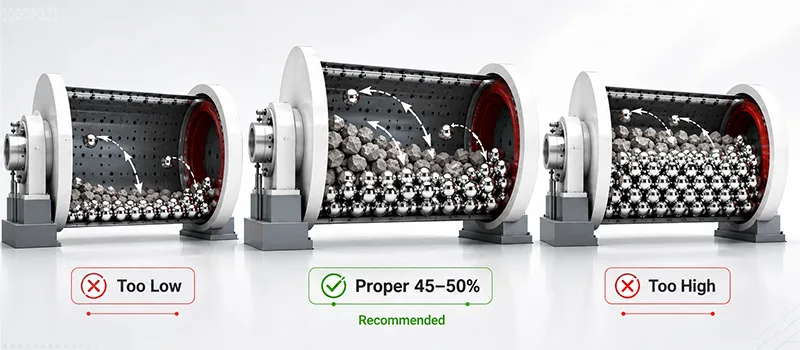
The steel ball filling rate directly influences grinding performance.
In most industrial mineral grinding systems, the filling rate of approximately 45%-50% is often considered suitable. It can balance impact and grinding action.
4. Optimize Ball Size and Media Grading
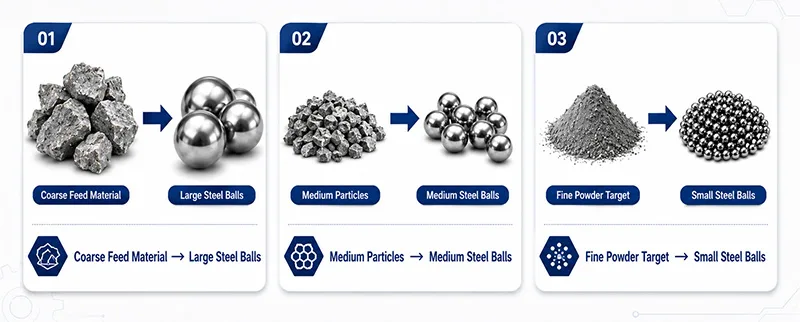
Steel ball size and media grading should match the feeding size and grinding target.
Therefore, it is essential for you to match proper ball size and grading. Suitable matching can balance impact breakage and material refinement, helping achieve stable product fineness, higher grinding efficiency, and consistent production performance.
5. Add Grinding Media Precisely
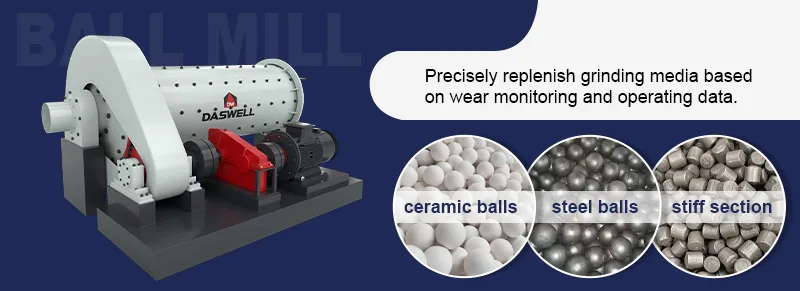
Steel balls wear continuously during the grinding process. If you don’t replenish in time, the ball size distribution will change. This reduces grinding performance.
Adding steel balls irregularly leads to unstable operation. A better solution is precise grinding media replenishment based on wear monitoring and operating data. This is helpful for maintaining grinding stability and powder consistency.
6. Improve Classification Efficiency
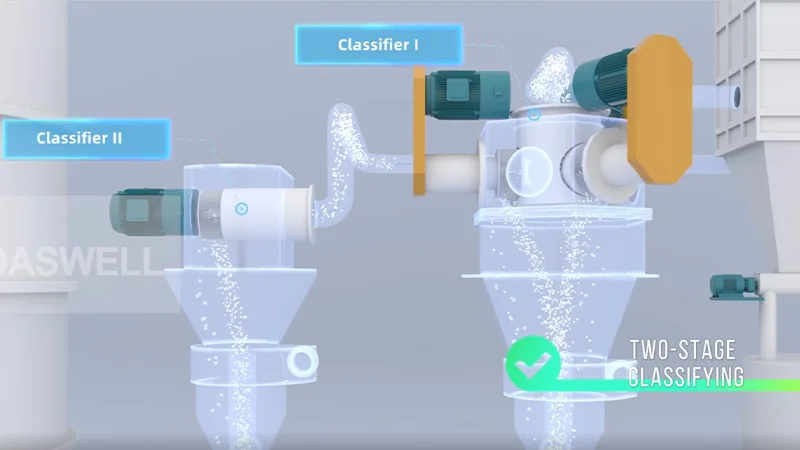
Classification plays a key role for powder grinding. The high-efficiency classifier can separate finished fine powders in time. And the oversized particles return to the grinding chamber. If the qualified fine particles remain inside the mill too long, overgrinding occurs. It causes energy waste.
High-efficiency classifier is important for improving grinding efficiency. And the particle size distribution will be better as well. Efficient closed-circuit grinding systems greatly improve product yield and reduce unneccessary energy loss.
7. Use Grinding Aids Properly
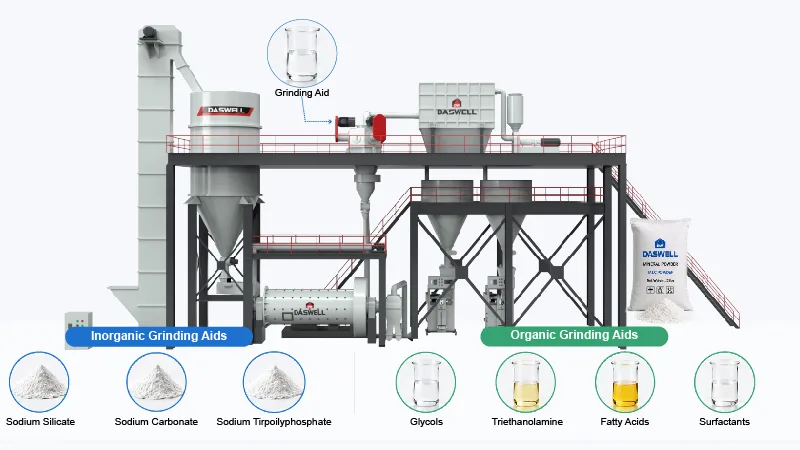
Using grinding aids for ball mill grinding can significantly improve ball mill performance. You can add grinding aids in small amounts. They are helpful for:
Especially for the ultrafine calcium carbonate and mineral powder production, grinding aids can improve the classifier efficiency and the quality of the finished products.
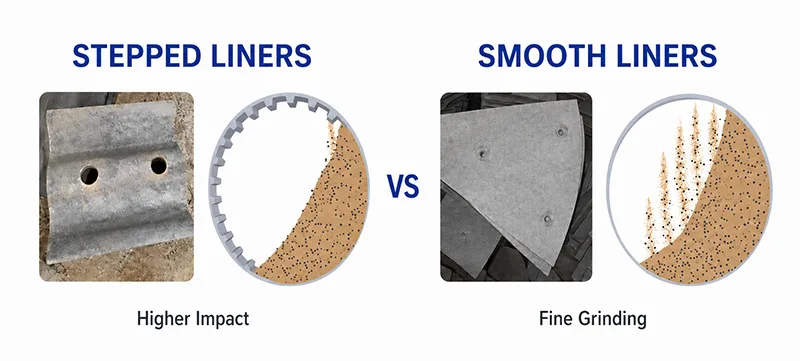
8. Choose Suitable Mill Liners
Different liner designs also influence the grinding.
Selecting suitable liner types according to your materials properties and products requirements can improve the grinding efficiency. Meanwhile, this also reduces wear. As an important wear components, the liners affect grinding performance inside ball mills.
9. Control Rotational Speed Properly
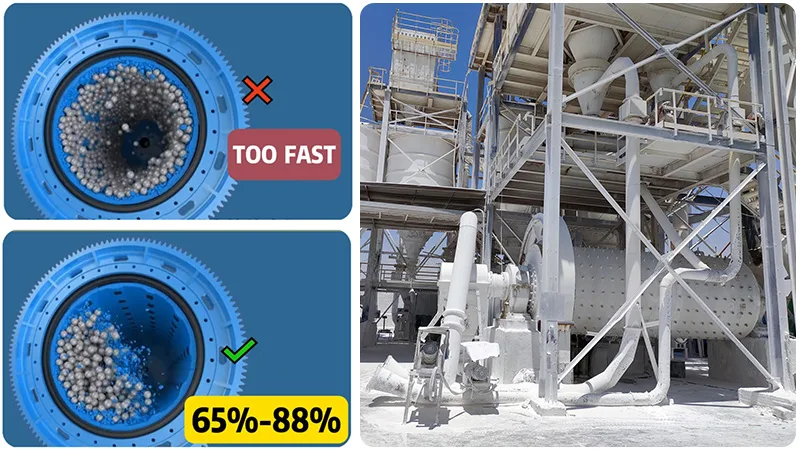
Ball mill speed plays a key role in grinding efficiency. Generally, the industrial ball mills operate around 65%-88% of critical speed.
Therefore, keeping proper rotational speed helps achieve better crushing and grinding effects. For ensuring efficient grinding, ball mill grinding machine often operate below critical speed.
10. Optimize Ventilation and Material Level Control
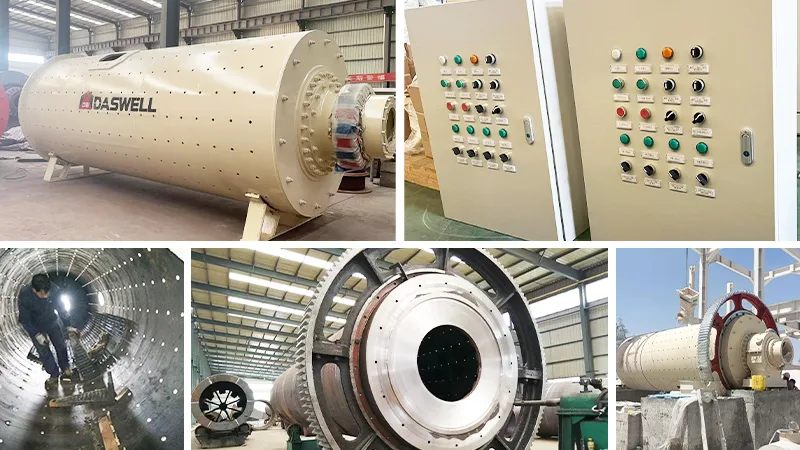
Whether for the ball mill grinding machine or ball mill grinding solution, we can provide complete service for you. And there are also various powder processing solutions for your various materials, capacities, fineness requirements, and applications. If you want to get a high-efficiency grinding mill solution or upgrade your plant, contact Daswell Powder now!