How to Produce Paint-Grade Calcium Carbonate?
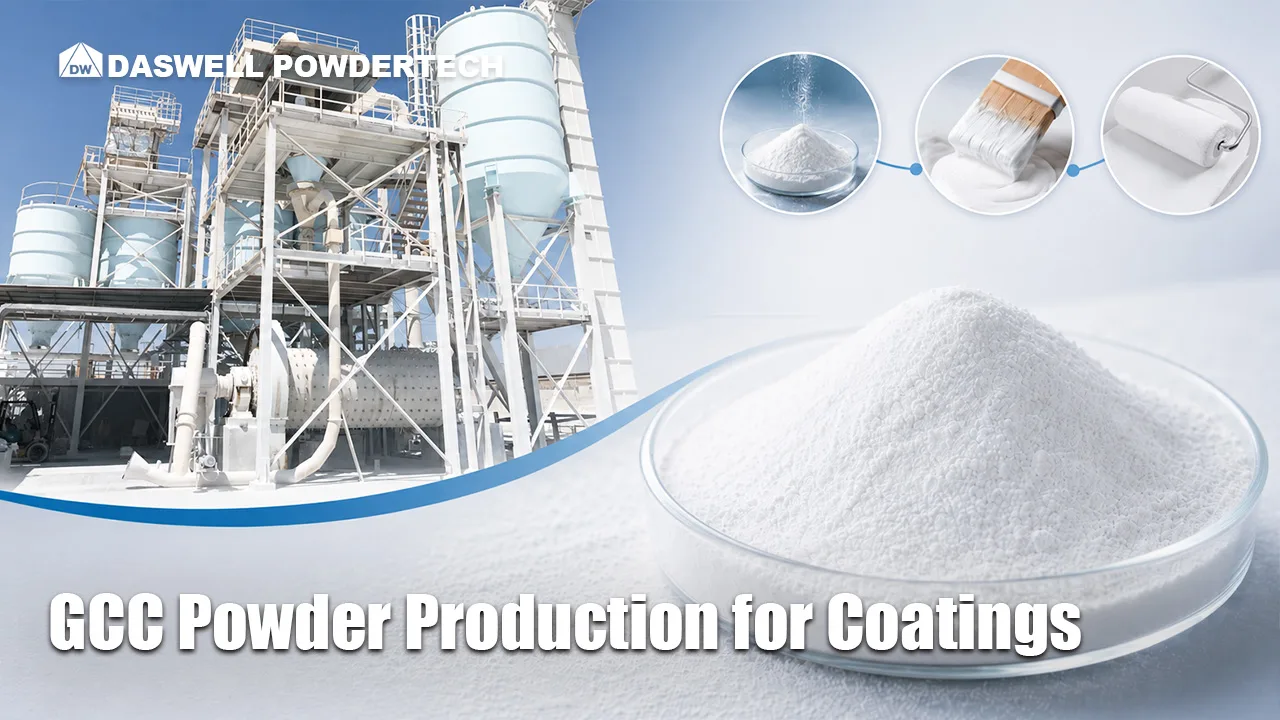
Ground calcium carbonate(GCC) is one of the most widely used mineral fillers and extenders in the paint and coatings industries. It has low cost, natural whiteness, and compatibility with many coating formulations. These make it an important raw material in decorative paints, putty, and many industrial coatings.
In coatings and paint production, GCC helps improve film smoothness, fill minor surface irregularities, and control raw material cost. Meanwhile, depending on the different formation and particle characteristics, it can also influence opacity, rheology, gloss, and some other coating properties.
However, not all GCC powder is suitable for every paint application. Paint manufacturers choose different GCC powders according to the product type, formulation, and required coating performance.
For your GCC powder production, it is key for you to know these differences when using it in different paint applications. The right combination of raw materials, grinding mills, and classification systems helps achieve the target powder quality while maintaining production efficiency.
What Are the Requirements for Paint-Grade Calcium Carbonate?
Different paint and coating applications require different calcium carbonate specifications. Particle size, whiteness, purity, moisture content, and oil absorption all influence the performance of GCC in downstream formulations.
GCC for Wall Putty and Construction Coatings
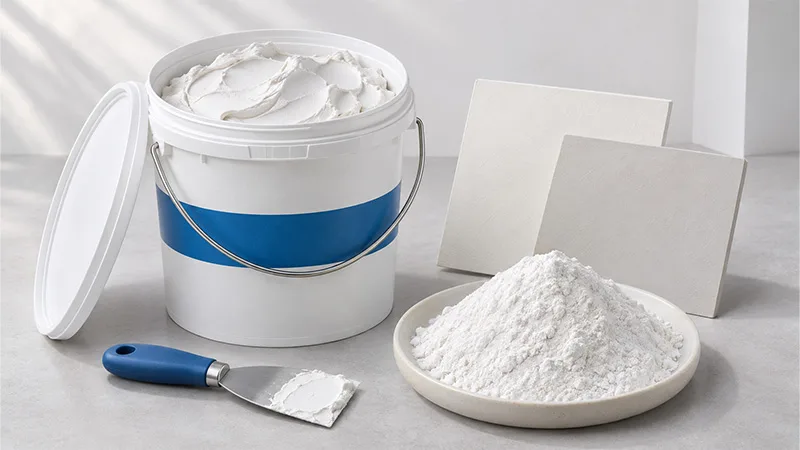
Wall putty is a major application for the relatively coarse GCC. Many formulations use 325 mesh GCC for putty powder production. The calcium carbonate powder content is usually 70%-80% of the mixture for dry putty powders.
Moisture content is another important consideration. For products with a moisture specification below 0.2%, excessive moisture will affect the storage stability, handling, and the performance of the finished putty.
If you want to produce GCC powder for putty powder production, you should balance whiteness and particle size with high output and low production costs.
GCC for Latex Paint and Architectural Coatings
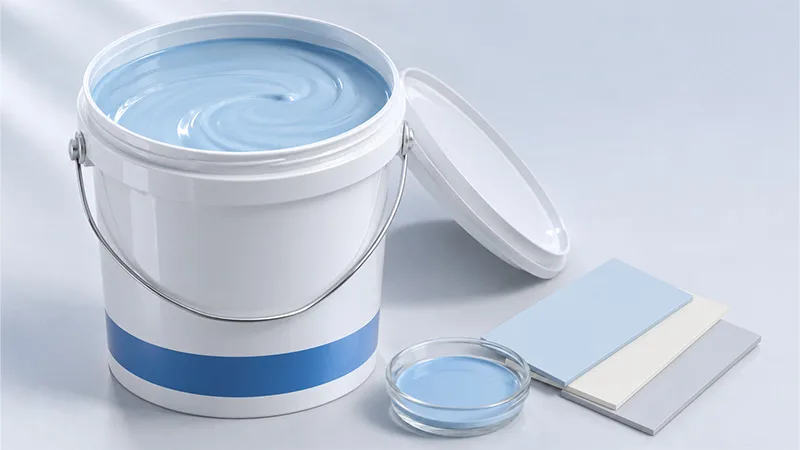
Latex paint typically requires finer GCC than the putty powder. It may need 800-1000 mesh GCC powder. Finer GCC can help produce a smoother coating surface.
The latex paints usually have higher requirements for whiteness, particle size, and calcium carbonate content. Especially, the whiteness demanding can be around 95% or higher. And the calcium carbonate content may be 96% or higher. Filler loading is approximately 30%. As for the particle size, it should be fine and uniform. The fineness and distribution influence the formulation’s dispersion and surface-finish requirements.
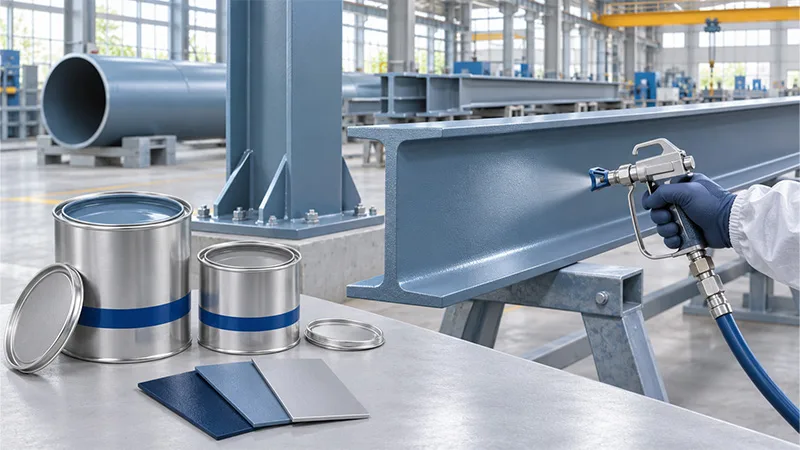
GCC for Industrial Paints and Protective Coatings
In industrial coatings, calcium carbonate can serve as an extender and functional filler. It may require more specific particle-size distributions, purity levels, and surface properties. For example, some formulations prioritize low impurity content and consistent color.
Oil absorption is another important factor. It affects binder demand and formulation costs. For applications involving organic components, surface properties and powder compatibility may also need particular attention.
Besides, maintaining consistent quality between production batches is essential. For your paint-grade GCC production, you not only need to select suitable raw materials, but also stable grinding and classification technology. Proper process control helps maintain product consistency while reducing unnecessary adjustments and production costs.
How to Produce Paint-grade Calcium Carbonate Powder?
Producing paint-grade GCC requires more than simply grinding limestone or calcite into fine powder. You need to match raw material quality, grinding technology, classification performance, and supporting equipment to the target product specifications.
Dry grinding is a common industrial processing method. For your various fineness requirements, we have different grinding line configurations for you to choose. Typical GCC production processing includes the following stages.
Raw material preparation
According to the calcium carbonate content, whiteness, and impurity levels, you can select calcite, limestone, marble, or chalk as raw material. Suitable raw materials help establish the quality potential of the final powder. Especially, for white and light-colored paints, selecting materials with suitable whiteness and low impurity levels is particularly important.
Crushing
The crushing equipment reduces raw stone to a suitable feed size for the grinding system. A jaw crusher is commonly used for primary crushing. Depending on the feed size and required grinding feed specifications, we also offer secondary crushing equipment. Stable feeding size helps improve the efficiency of the downstream grinding process.
Grinding and Classification
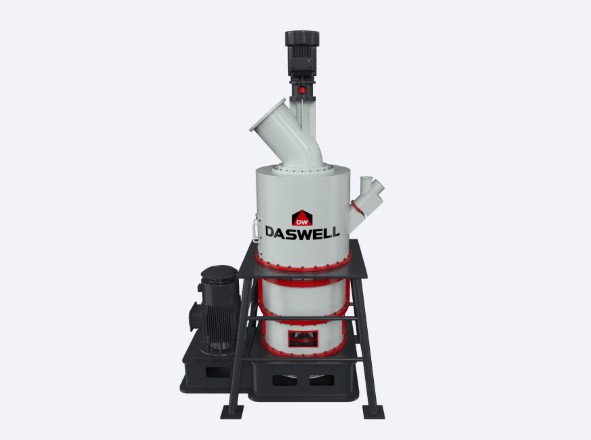
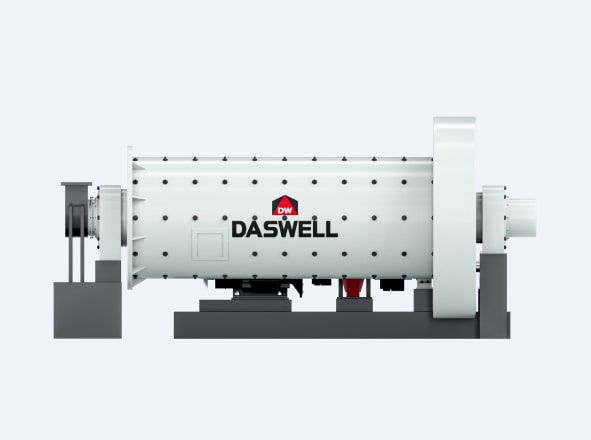
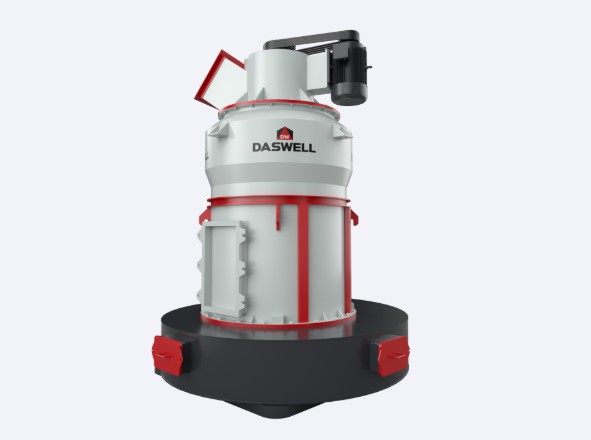
Grinding mills reduce the material to the required fineness. An air classifier machine separates qualified fine particles from coarser particles. The coarser particles can also be returned for further grinding.
The grinding mill determines the main grinding capacity, while the classifier plays an important role in controlling the finished powder’s particle size distribution and overall system output. Depending on your raw material, target fineness, and production capacity, you can choose from different configurations:
Surface Modification
For your specialized formulations or certain powder coatings, it may require surface-modified calcium carbonate to improve compatibility with organic components or achieve specific application properties. We also provide powder surface coating machines for your modification requirements.
Powder Collection and Packing
We have complete systems including dust collector, pneumatic conveying system, storage silo, and packing machines for supporting the production line. Proper handling helps reduce powder loss and maintain product quality before delivery.
How to Choose the Right Calcium Carbonate Grinding Line for Paint Applications?
Selecting a suitable GCC grinding line involves more than achieving the target mesh size. You also need to consider raw material properties, production capacity, and finished powder quality.
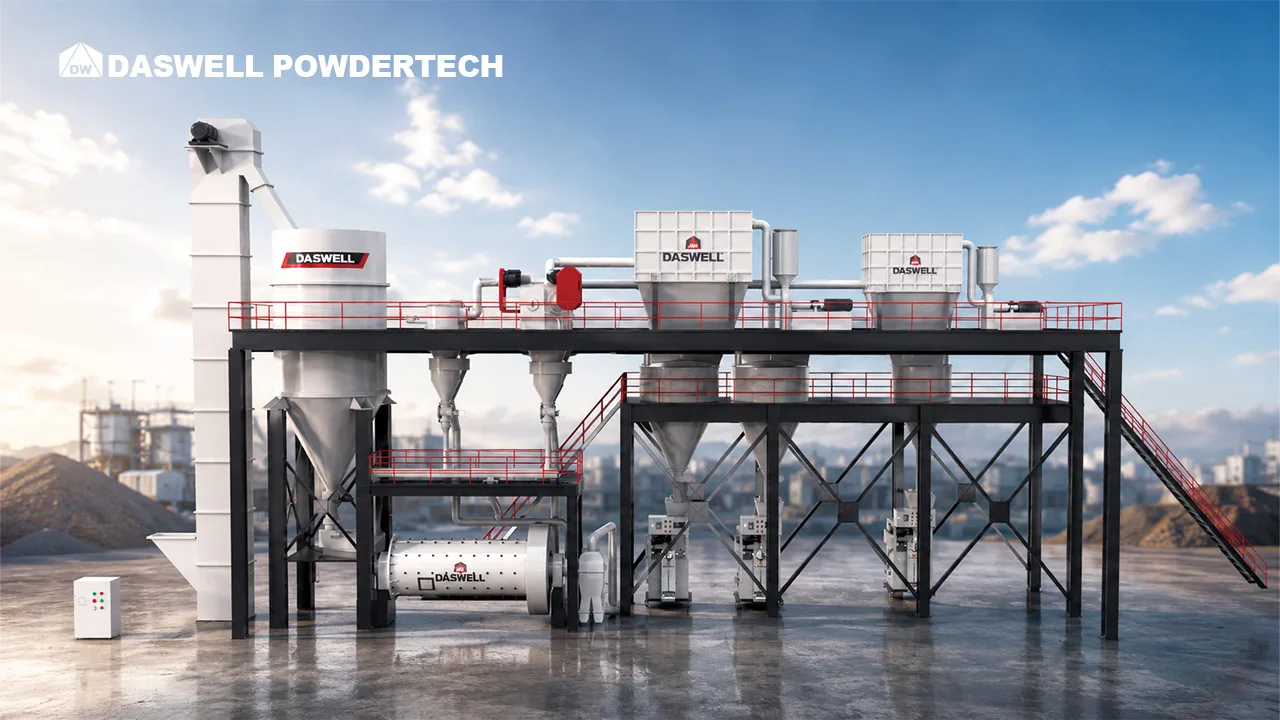
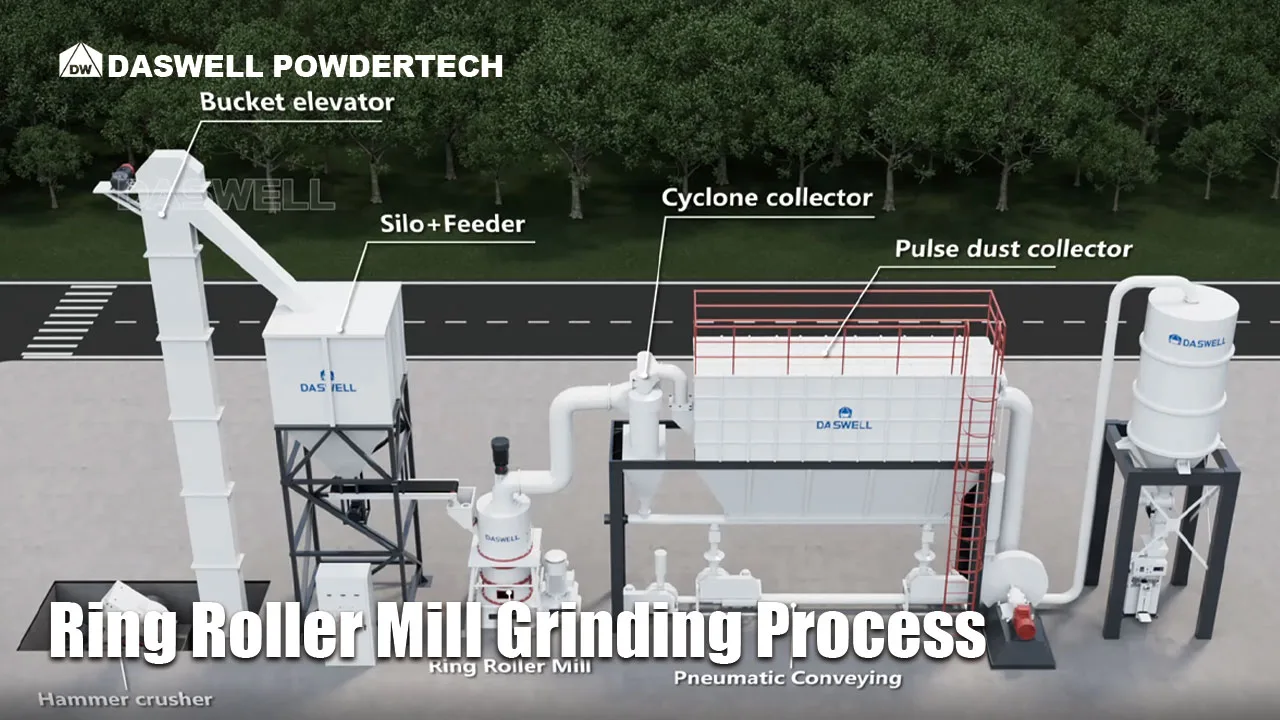
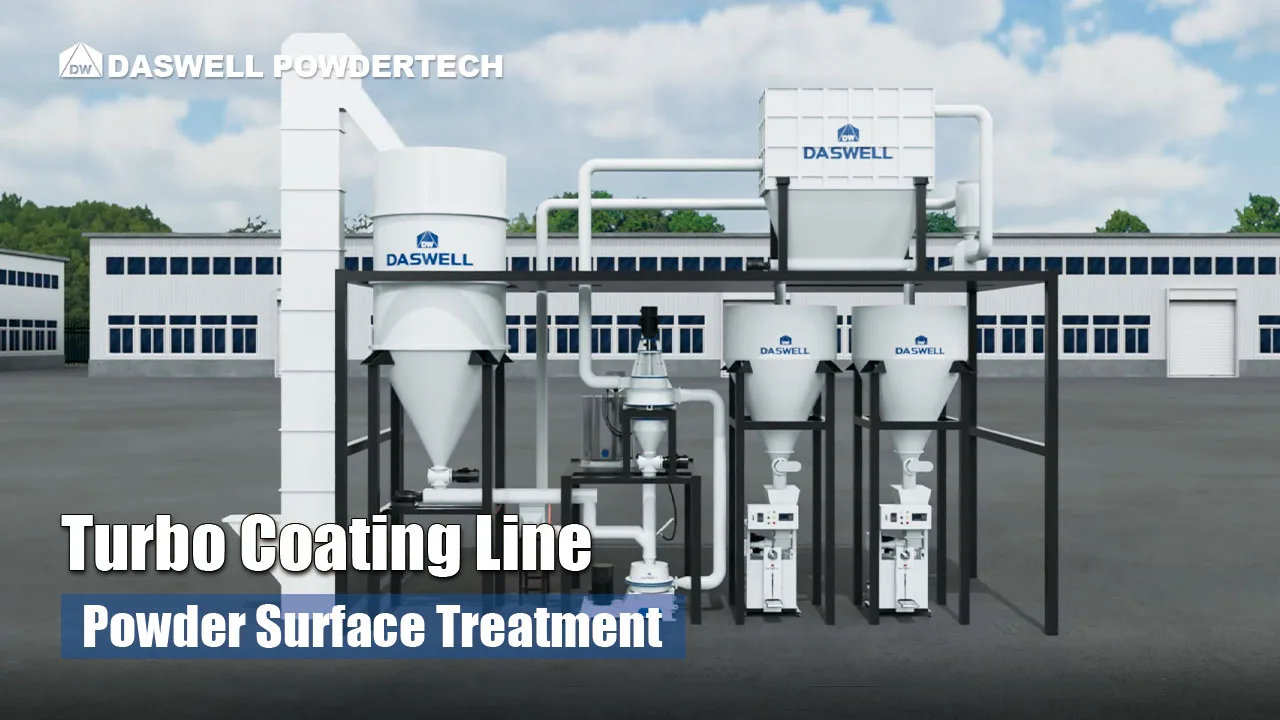
Our well-designed processing line can help you produce qualified and reliable calcium carbonate for paint and coatings applications. If you are planning a calcium carbonate grinding plant for paint fillers or other industrial applications, contact Daswell Powder to discuss your raw material, target fineness, required capacity, and production goals. Our professional team can customize your own GCC processing line.