
Why Surface Modification is Essential for Ultrafine Powder Processing?
In the mineral processing industry, producing fine powder can not meet the market demands well. Today, the mineral powder manufacturers are increasingly focused on how powders perform in real applications such as plastics, coating, rubber, and advanced materials. This shift marks a transition from traditional bulk ultrafine powder production to high-value, application-driven processing. Thus, the ultrafine powder surface treatment becomes essential.
If the powder surface treatment is not proper, many mineral powder cannot meet modern industrial requirements. However, with the right modification process, the same material can achieve significantly improved performance, better compatibility, and higher market value.
What is Ultrafine Powder?
Ultrafine powder typically refers to the particles ranging from micrometer to nanometer scale. These powders are widely used as raw materials, intermediates, or functional materials across different industries.
Because of their extremely small particle size, ultrafine powders have:
These characteristics make the ultrafine powders highly reactive and valuable. However, they also creates challenges in handling, dispersion, and application.
For example, calcium carbonate, silica, and talc powders are widely used in industrial applications, but if without proper treatment, their performance will be limited.
What is Surface Modification?
Surface modification is the process of intentionally changing the surface properties of powder particles by using physical, chemical pr other mechanical methods. Its main purpose is to improve the powder performance in downstream applications.
This includes modifying:
In a word, the powder surface treatment process can transform powder from a passive filler into an active functional material.
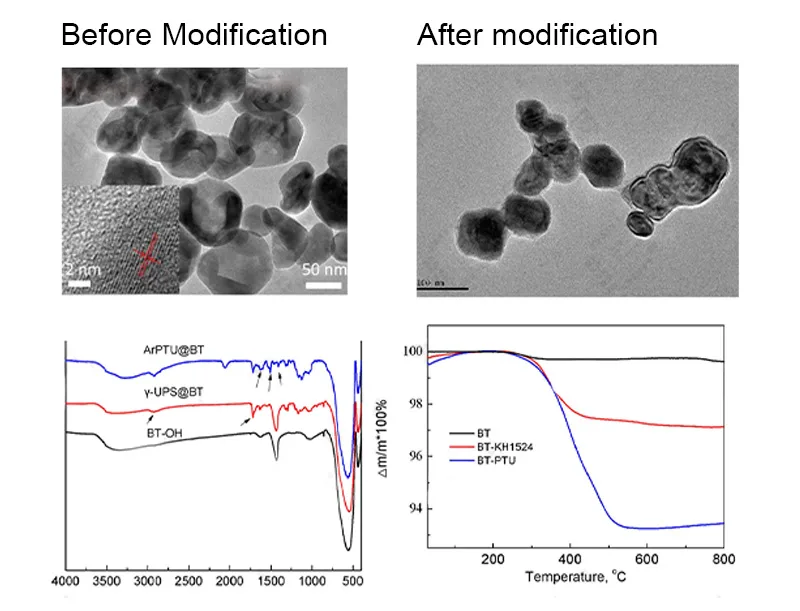
Why Surface Modification is Important in Mineral Powder Processing?
Surface modification plays a key role between mineral powder production and real applications. It is often the key factor, which determines whether a material can be used in high-end industries or not.
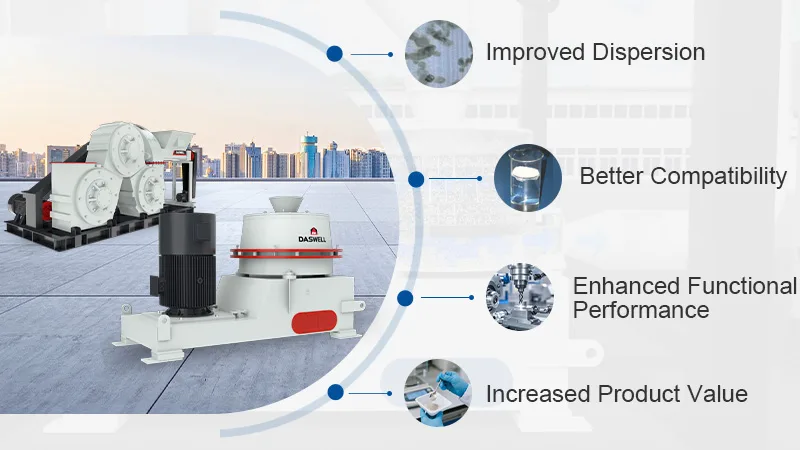
Improved Dispersion
Unmodified ultrafine powders tend to form agglomerates due to the high surface energy. This reduces effective particle size and negatively affects performance.
Surface treatment reduces inter-particle attraction, allowing powders to disperse more evenly in matrices such as plastics or coatings.
Better Compatibility
Many mineral powders are naturally hydrophilic, while polymers like polypropylene (PP) and polyethylene (PE) are hydrophobic. This mismatch leads to poor bonding and weak mechanical performance.
Surface modification solves this problem by converting the powder surface from hydrophilic to hydrophobic, improving compatibility and interfacial bonding.
Enhanced Functional Performance
Modified powders can achieve new or improved properties, including increased mechanical strength, improved impact resistance, weather resistance, and electrical insulation or conductivity.
These improvements are critical for industries such as plastics, coatings, and advanced materials.
Increased Product Value
The unmodified powder is often used as low-cost filler. While, if your powders are modified, it can be used in high-end applications, significantly increasing its market value.
For the powder manufacturers, this means:
Higher profit margins
Stronger competitiveness
Access to premium markets
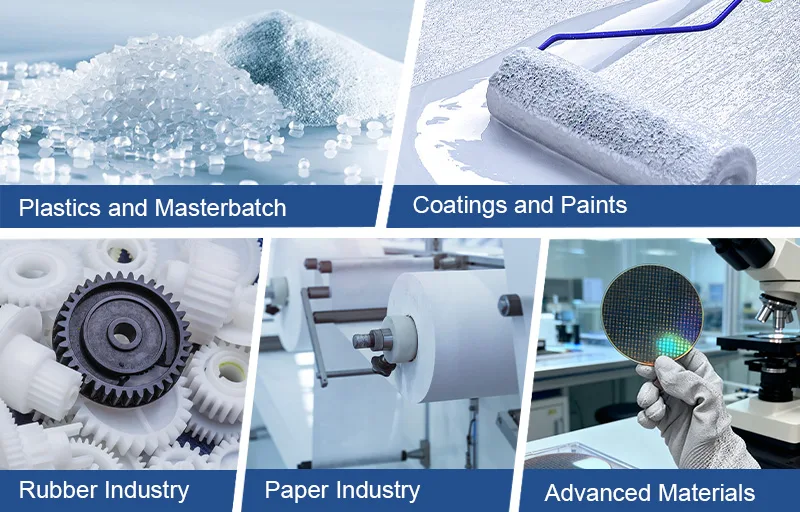
What are the Typical Applications of the Modified Ultrafine Powders?
Plastics and Masterbatch: The modified powders improves dispersion, reduces cost, and enhances mechanical properties.
Coatings and Paints: It provides better coverage, weather resistance, and stability.
Rubber Industry: Modified powder can enhance elasticity, strength, and durability.
Paper Industry: It improves brightness, smoothness, and printability.
Advanced Materials: For the high-end applications such as functional fillers and composite materials, modified powders are widely used.
The Role of Surface Modification in Powder Processing Systems
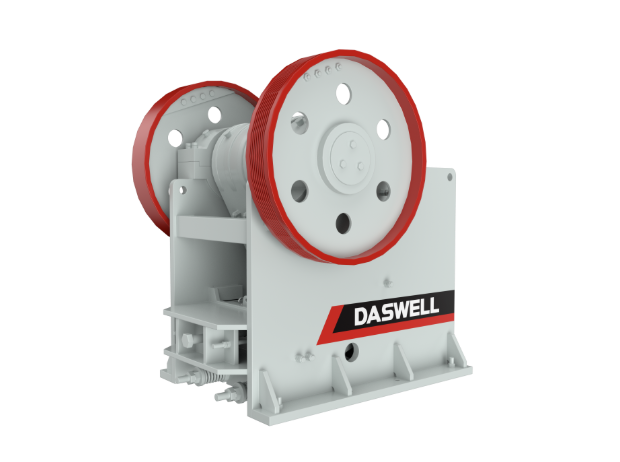
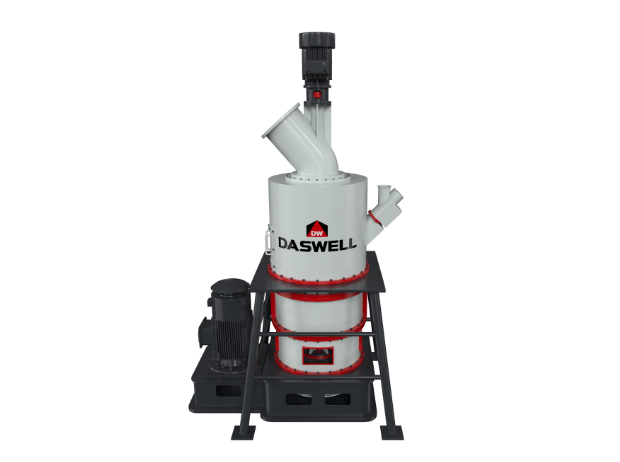
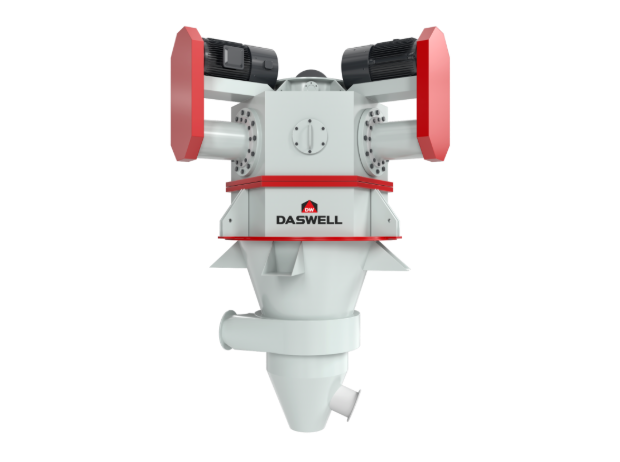
In a complete mineral powder production line, surface modification is not an isolated process. It is an integrated step within a full system that includes:
Crushing → Grinding → Classification → Surface Coating → Packaging
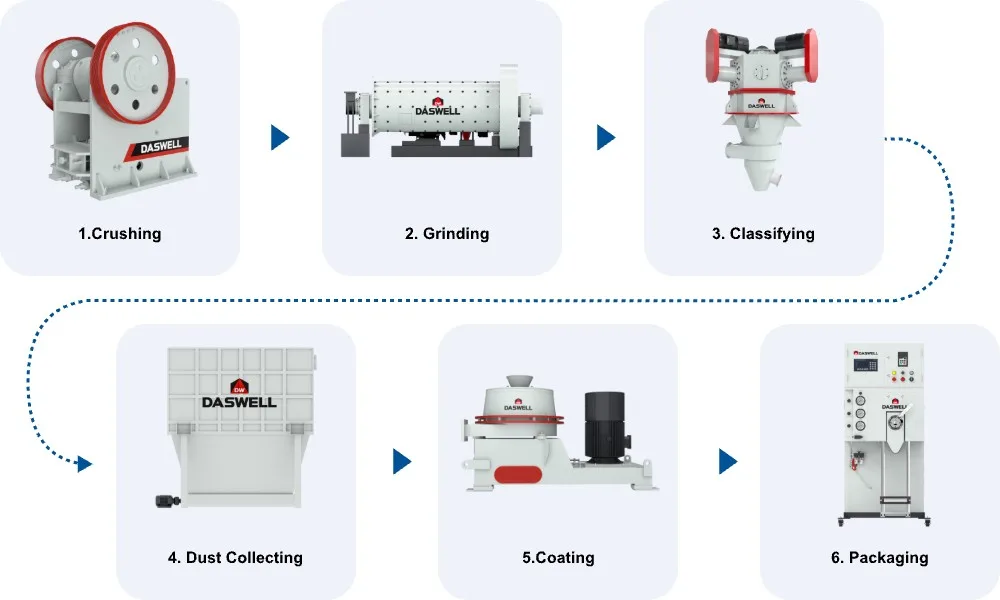
Among these stages, surface treatment is the key process that determines final product performance.
At Daswell Powder Tech., we design complete powder production lines that seamlessly integrate these steps. It ensures:
Daswell Powder Surface Coating Solutions
To achieve high-quality surface treatment, advanced equipment is essential. Daswell Powder Tech. provides complete surface coating solutions, including turbo coating machine and integrated processing line.
Our complete systems combine:
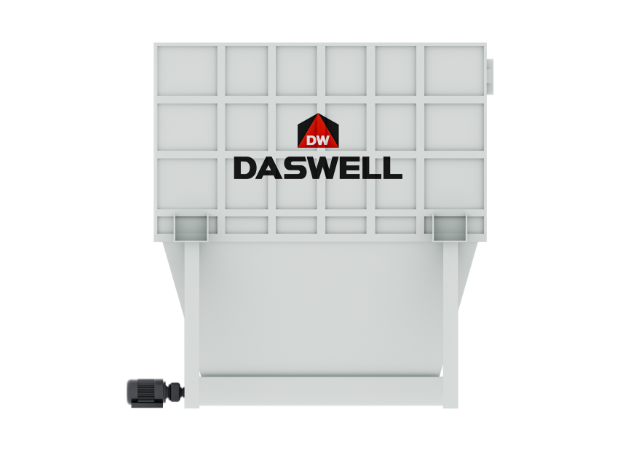
Dust Collector
It collects the dust and finished fine powder well, ensuring a clean environment and no powder waste.
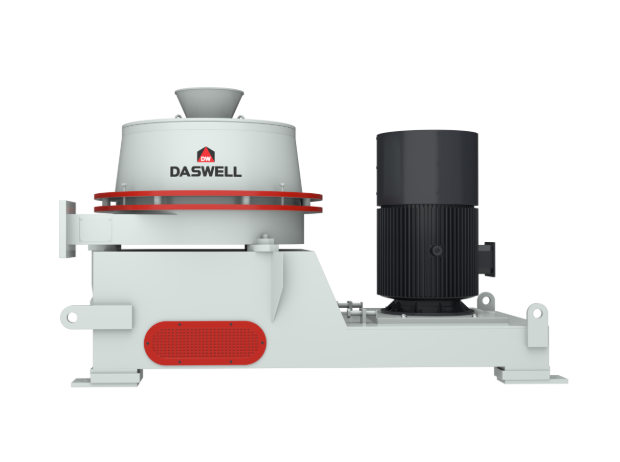
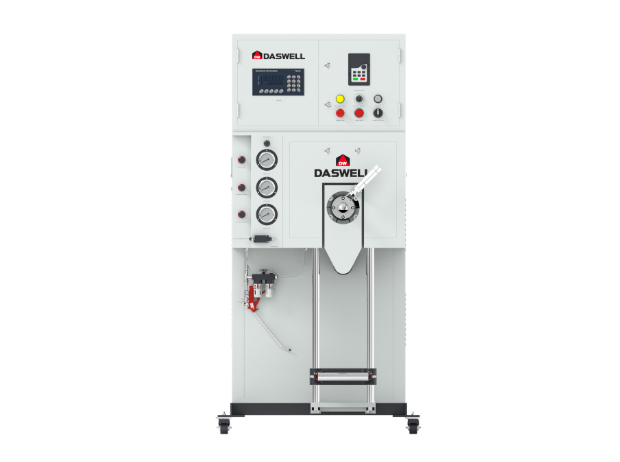
With Daswell Powder’s integrated systems, we help customers become high-value material manufacturers from simple powder production.
Daswell Powder Tech. continues to support customers world wide with efficient, reliable, and customized powder processing solutions. And we update our grinding, classifying, and coating systems with advanced technologies, trying to improve your production capacity, final powder uniformity, fineness, modifying effects, and energy saving.
If you are looking for a professional powder processing solutions supplier, Daswell Powder has rich experience. Just contact us and get your own effective powder processing solution now.