
Calcium Carbonate Grinding Plant
Daswell Powder provides professional calcium carbonate grinding plant solutions for producing high-quality ground calcium carbonate (GCC) powder and ultra-fine slurry products.
Our GCC powder production lines are engineered for stable continuous operation, precise particle size control, and reliable industrial output.
With extensive experience in mineral powder processing, Daswell Powder delivers customized grinding systems integrating crushing, grinding, classification, dust collection, surface coating, and automatic packing equipment. These complete production systems are widely applied in plastics, rubber, coatings, paper, and construction material industries worldwide.
Calcium carbonate powder is one of the most widely used industrial mineral fillers and functional additives. Generally, the raw materials are limestone, calcite, or marble. Through crushing and grinding processes, they can be processed into powdery products.
Ground calcium carbonate is mainly used as filler and extender material due to its high whiteness, stable chemical properties, and excellent dispersion performance. Different particle size distributions and surface treatments allow limestone-based powder to meet various industrial application requirements.
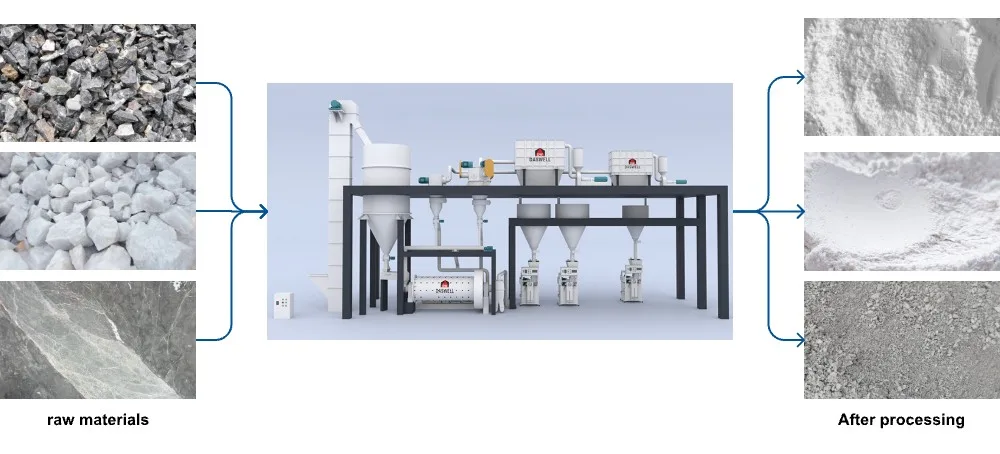
What is Calcium Carbonate Powder Grinding Solutions Process?
A complete GCC grinding processing plant includes multiple processing stages to ensure stable product quality and high production efficiency.
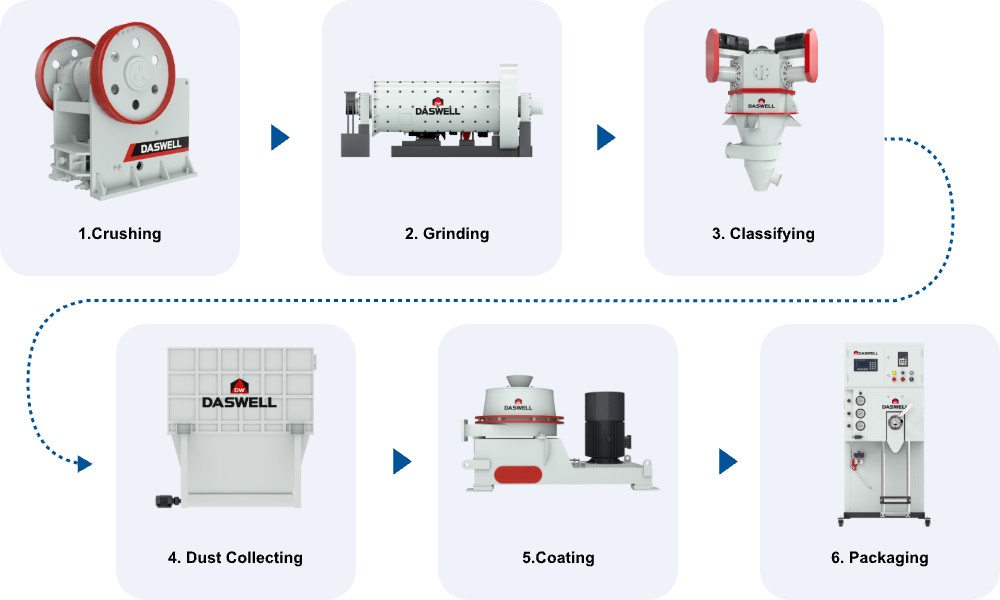
The typical dry grinding process includes several key steps
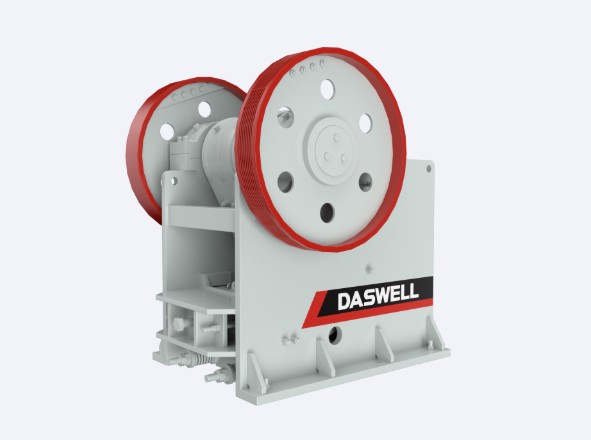
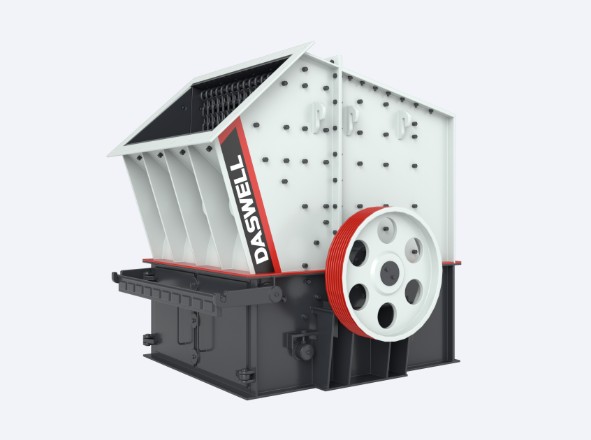
- Crushing: Limestone or calcite is reduced to a suitable feeding size using jaw crushers or hammer crushers to ensure stable downstream grinding.
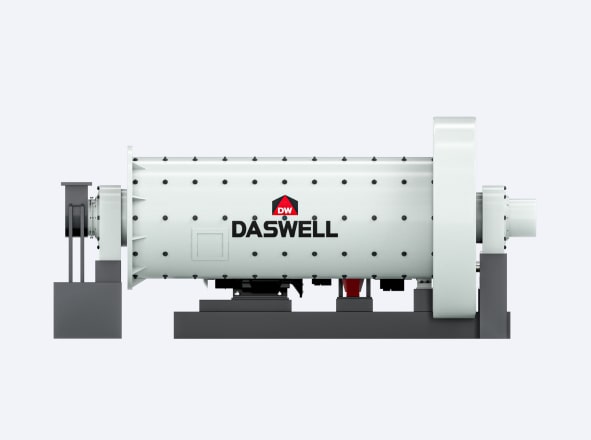
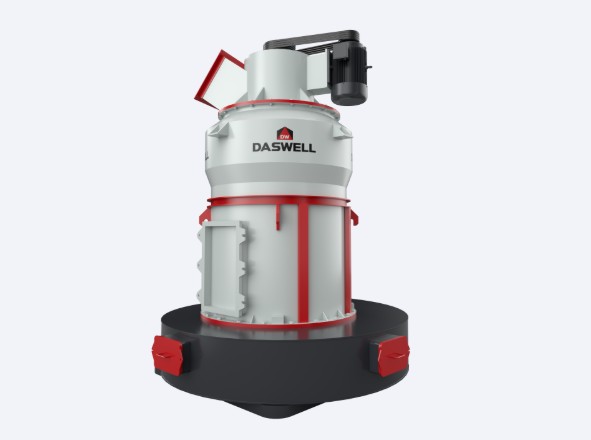
- Grinding: Ball mills, ring roller mills, or Raymond mills are used to achieve the target fineness according to capacity requirements.
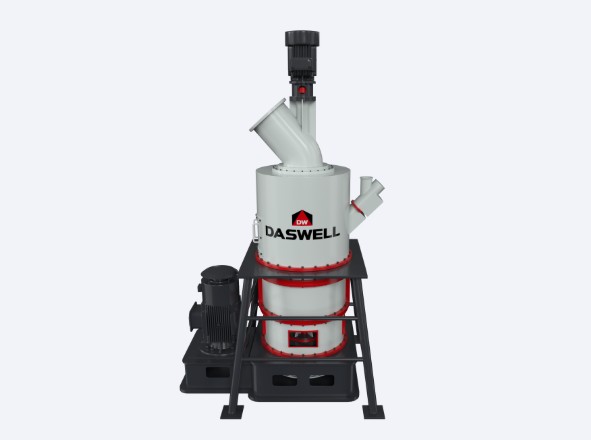
- Classification: High-efficiency air classifiers separate qualified fine powder and automatically return coarse particles to the grinding circuit.
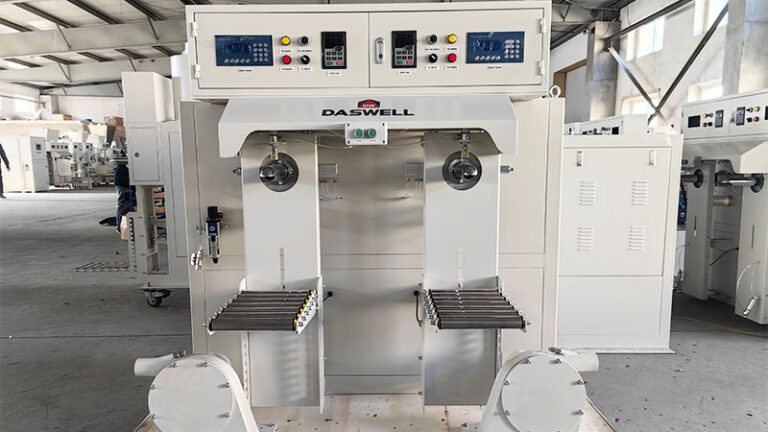
- Collection and Packing: Finished powder is collected by dust collectors and packed by automatic packaging systems.
Calcium Carbonate Dry Grinding Plant Solution
Our dry grinding plant is the most commonly used solution for producing ground calcium carbonate powder. This powder production line integrates feeding system, crushing system, grinding mills, air classifier, dust collector, and automatic packing equipment.
Main Advantages of GCC Powder Dry Grinding Solution
- High output capacity for large-scale GCC production
- Stable fineness control with an adjustable classification system
- Lower investment cost and operating cost
- Compact system layout and easy maintenance
- Reliable long-term industrial operation
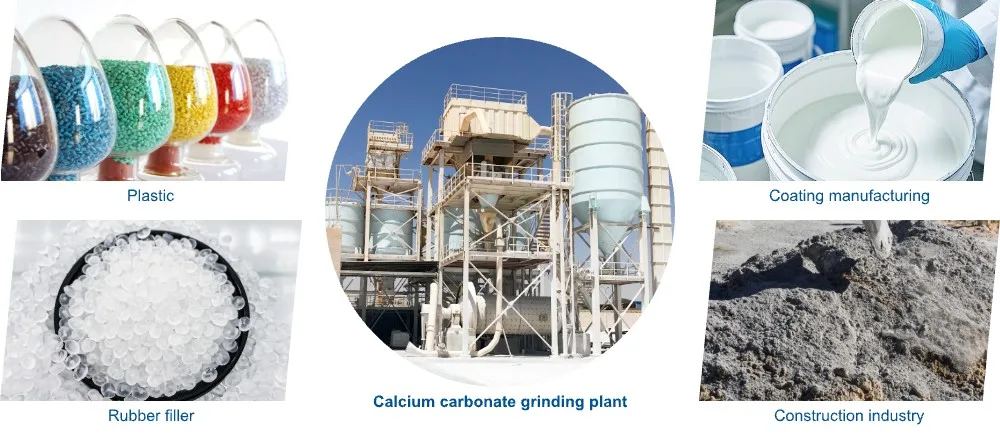
The GCC powder dry grinding plants are applicable for plastics, rubber fillers, coatings manufacturing, and construction material industries.
Calcium Carbonate Wet Grinding Plant Solution
Our wet grinding plant is applicable for producing ultra-fine slurry for high-end applications. The wet grinding systems include slurry preparation tanks, wet grinding mill, screening systems, and agitated slurry storage tanks.
During the wet grinding, intensive impact and shear forces generated by grinding media and agitators achieve ultra-fine particle size reduction and excellent dispersion performance. Multi-stage grinding configuration allows precise control of particle size distribution.
For your paper coating, specialty fillers, and applications requiring high surface quality and stable slurry performance, Daswell Powder calcium carbonate wet grinding solution can meet your needs.
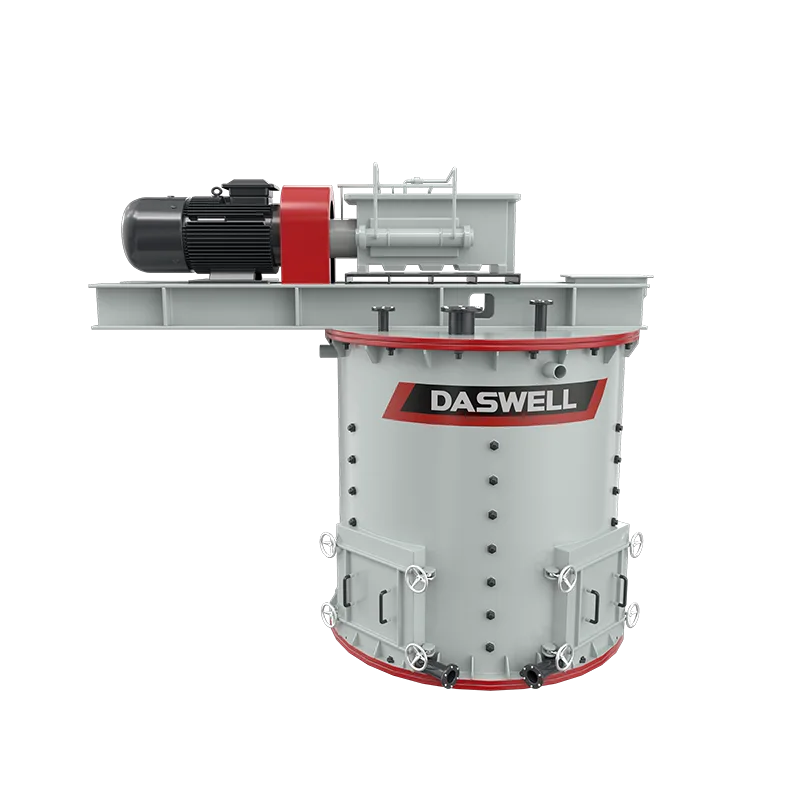
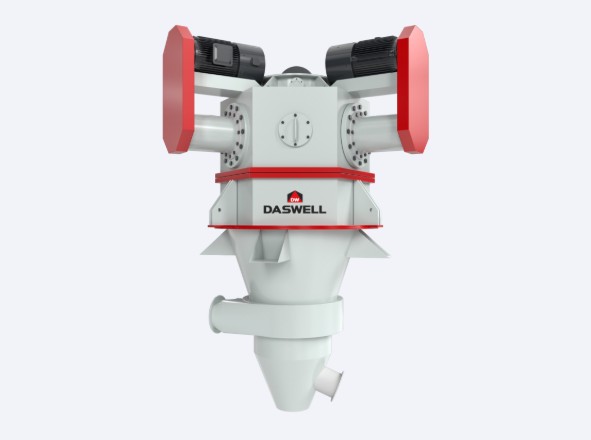
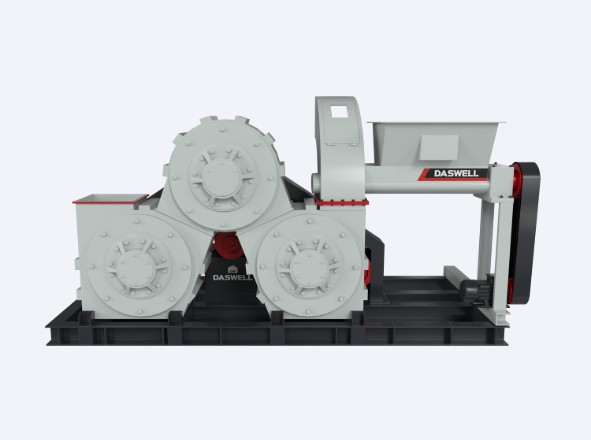
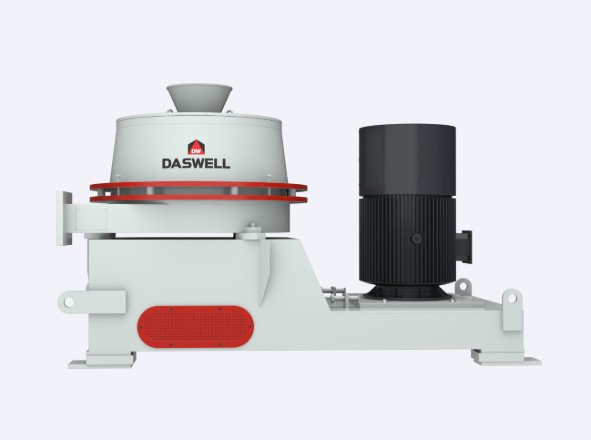
Main Equipment Configurations of A Calcium Carbonate Grinding Solution
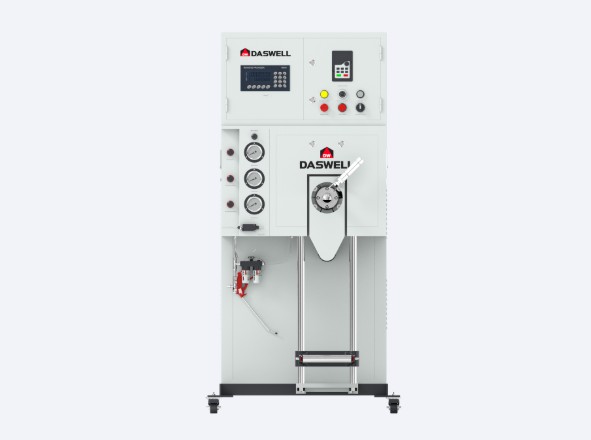
Application of Calcium Carbonate Grinding Solutions
Daswell Powder calcium carbonate grinding plant solutions are mainly designed for producing GCC dry powder for large-scale industrial applications. At the same time, our wet grinding systems support high-end slurry production for specialty markets.
Plastics Industry
Rubber Industry
Paints And Coatings Industry
Building Materials
Papermaking Process
Our CaCo3 grinding plants provide dry powder and wet slurry production solutions for different industrial applications. From system design to turnkey delivery, we help customers achieve stable output, consistent quality, and long-term production performance.
Contact Daswell Powder today to get your customized calcium carbonate production line solution.
Why Calcium Carbonate Producer Choose Daswell Powder Supplier?
The ground calcium carbonate producers choose us not only for equipment supply, but also for complete grinding system engineering capability and long-term production reliability.
Proven Grinding Plant Design Expertise
Daswell Powder has extensive experience in calcium carbonate grinding plant engineering.
Our team optimizes system layout, material flow, and classification configuration to ensure stable, continuous production and consistent GCC powder quality.
Customized Production Line Configuration
Each calcium carbonate grinding solution is customized based on raw material properties, target fineness, production capacity, and plant layout.
This ensures the production line matches real operating conditions instead of using standard fixed configurations.
Industrial-Grade Equipment Reliability
All core equipment is designed for long-term heavy-duty industrial operation.
Wear-resistant components and high-quality electrical and mechanical parts ensure stable performance, reduced maintenance frequency, and lower operating cost.
Integrated Turnkey Solution Capability
Except for grinding mills, Daswell provides complete production line integration, including crushing, classification, surface coating, dust collection, and automatic packing systems.
From process design to commissioning support, customers receive one-stop solution service.
Success Stories
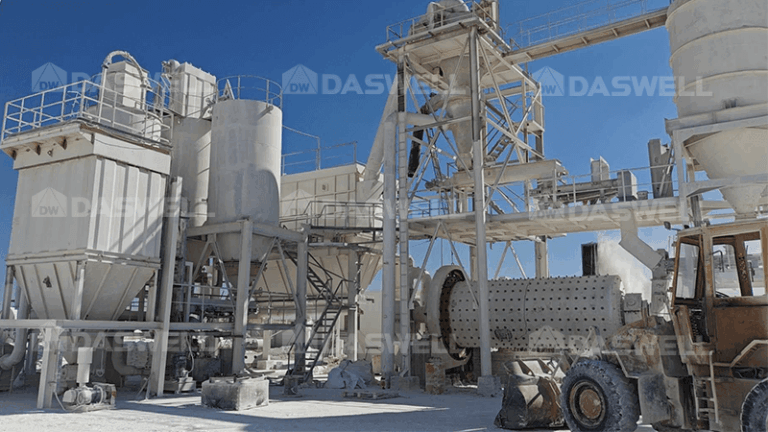
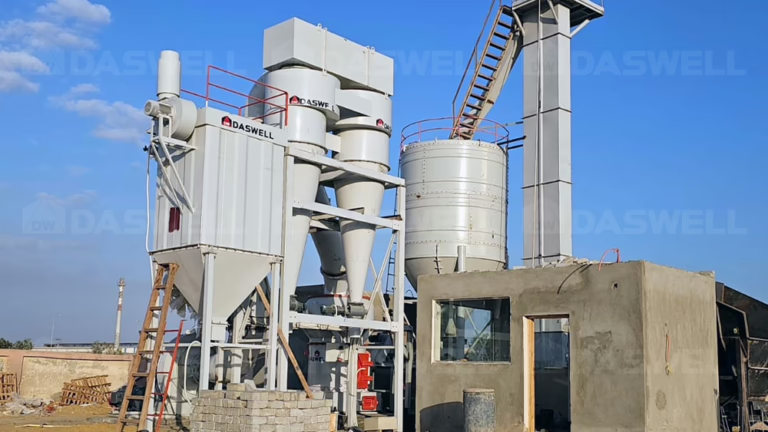


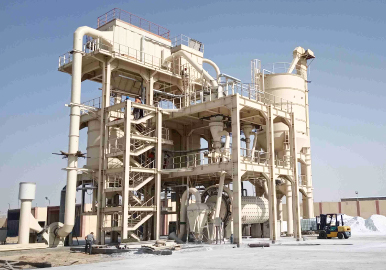
Egypt– Ultrafine CaCO₃ Line
Capacity: X t/h
Fineness: D97 10 μm
Configuration: Ball mill + classifier + coating + packing
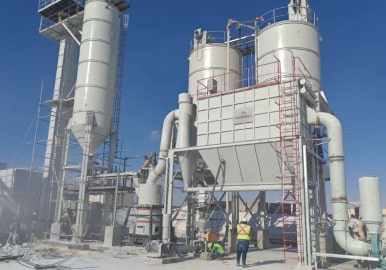
Tanzania– GCCLine
Capacity: X t/h
Fineness: D97 10–15 μm
Application: Paint and putty.
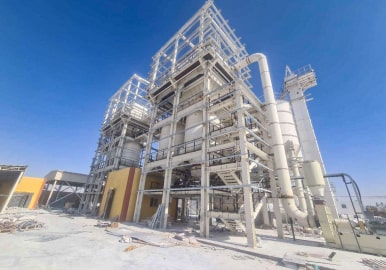
Pakistan– GCC Line
Capacity: X t/h
Fineness: D97 8–10 μm
Special: Low energy consumption configuration.