DaswellPowder CEO Ren Attends Powder Surface Modification Training in Hefei
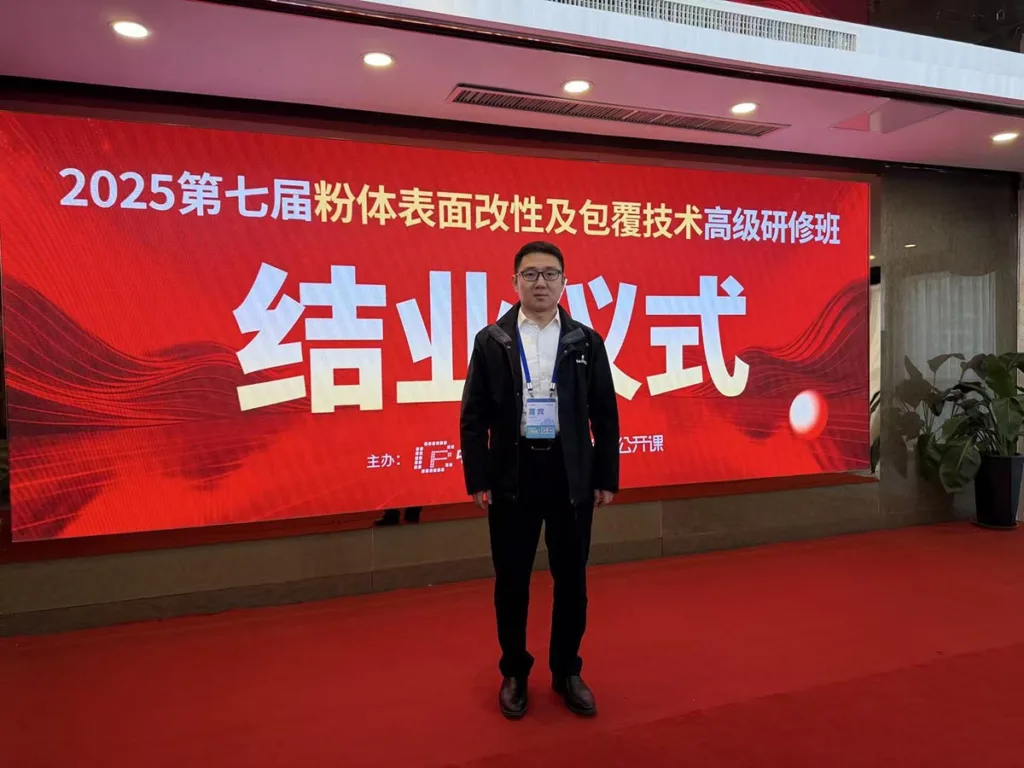
Daswell Powder CEO Ren attended the advanced training program on powder surface modification and coating technology in Hefei, focusing on surface treatment, coating processes, and testing methods for calcium carbonate, quartz, talc, and other non-metallic powders.
From March 26 to 27, 2026, Mr. Ren, CEO of Daswell Powder, traveled to Hefei to attend an advanced training seminar on powder surface modification and coating technologies. During the event, he engaged in systematic study and exchange regarding key topics such as the surface modification of non-metallic powders, surface coating, process control, and performance evaluation.
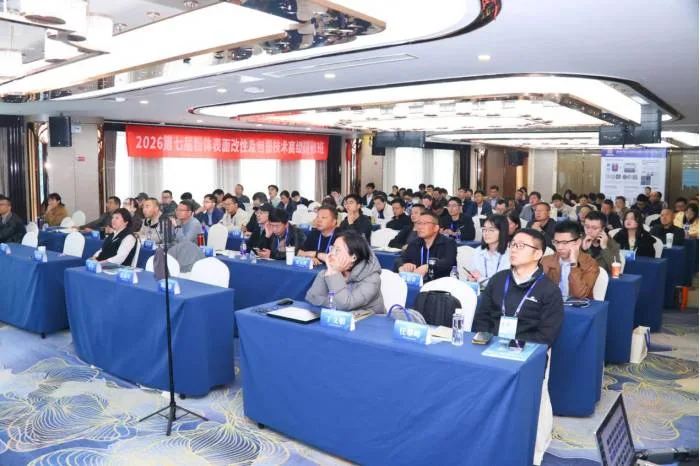
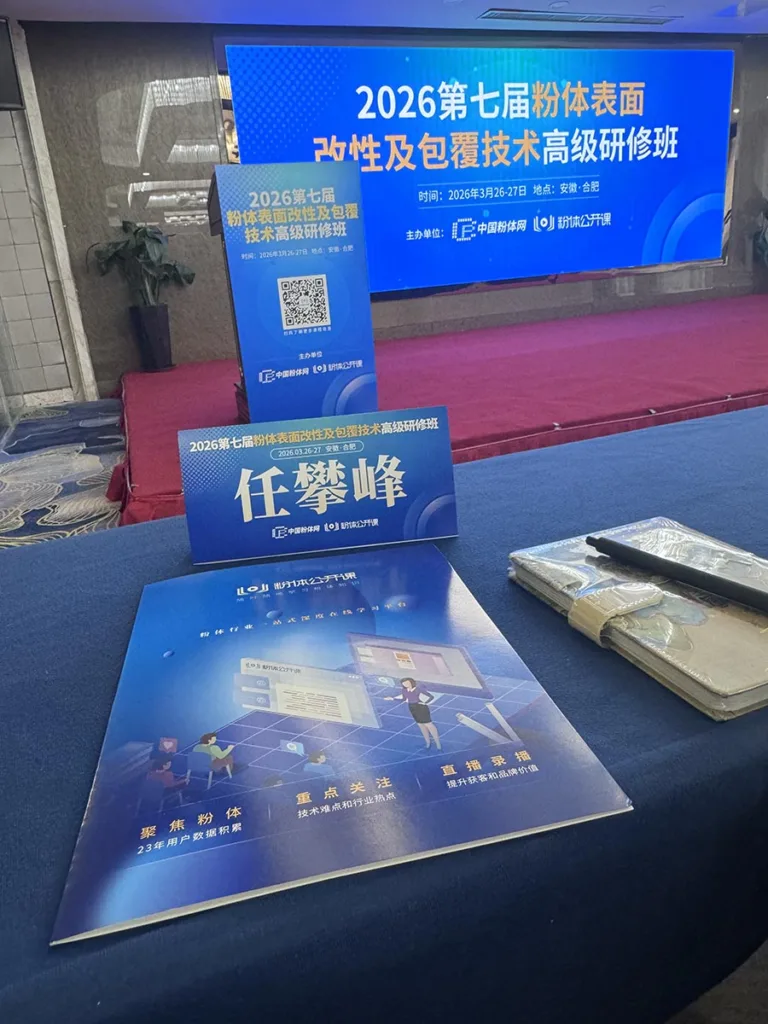
The seminar focused on critical issues concerning powder materials throughout the stages of grinding, classification, modification, coating, and end-use application. The content balanced fundamental theory with industrial practice, offering significant reference value for the deep processing and high-value utilization of non-metallic powders such as calcium carbonate, quartz, and talc.
Daswell Powder places a primary focus on expanding the methods and application fields for non-metallic surface modification, as well as enhancing the functional performance of these materials.
Calcium carbonate is widely utilized in the plastics and composites sectors; research in this area primarily aims to reduce surface polarity and strengthen the interfacial bonding force between the powder and the polymer matrix, thereby improving processing characteristics and final product performance.
For layered mineral powders—such as talc—the emphasis lies on wettability, interfacial adhesion, and composite reinforcement effects; surface modification treatments are employed to further elevate their functional value within specific material systems.
Whether the material in question is calcium carbonate, quartz, or talc, its entry into different industrial sectors imposes distinct requirements regarding parameters such as dispersibility, compatibility, oil absorption value, flowability, and thermal stability.
Only by aligning the selection of modification methods and process routes with the inherent characteristics of the powder, the specific application system, and the intended end-use can one truly enhance product added value. This approach drives the evolution of non-metallic powders from mere inert fillers toward functionalized, high-value materials—a research direction through which Daswell Powder continuously empowers its clients.
The insights shared by Professor Cui Aili of Tsinghua University—specifically regarding the theoretical underpinnings and analytical methodologies for inorganic powder surface coating processes—provided Daswell Powder with particularly profound inspiration. Professor Cui systematically elucidated the distinct performance objectives associated with various coating and modification systems, offering a highly valuable methodological framework—encompassing “coating layer design, process control, and quality inspection”—for the treatment of non-metallic powders such as calcium carbonate, quartz, and talc.
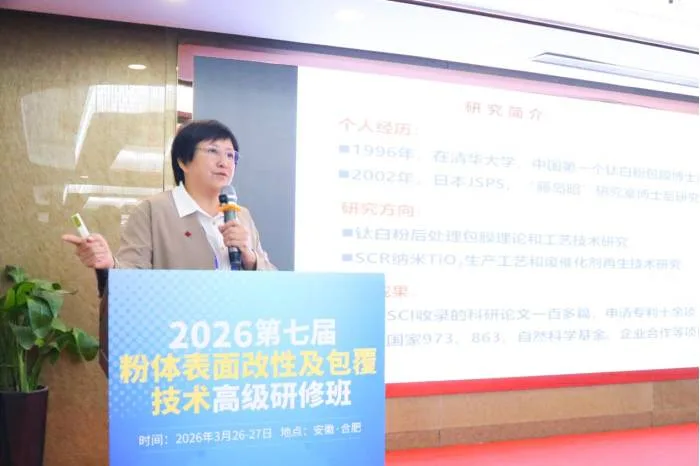
Ultimately, any coating process must be firmly grounded in clearly defined process windows and rigorous evaluation and testing protocols. In systems involving the surface coating of inorganic mineral raw materials, factors such as pH, temperature, reaction time, the method of coating agent addition, and the curing process all directly influence the uniformity, density, and ultimate application performance of the resulting coating layer.
For Daswell Powder’s clients—enterprises engaged in the deep processing of powders—this implies that surface treatment must focus on more than just the mere act of “applying a coating”; it must prioritize whether “the coating layer is formed stably and uniformly, and whether it genuinely fulfills specific application requirements.”
Through in-depth dialogue, Daswell Powder has gained a clearer understanding: the future of powder deep processing demands not only advanced equipment and process capabilities but also comprehensive, integrated support services.
This training session has enabled Daswell Powder to acquire a more systematic and comprehensive understanding of surface modification and coating technologies for non-metallic powders.
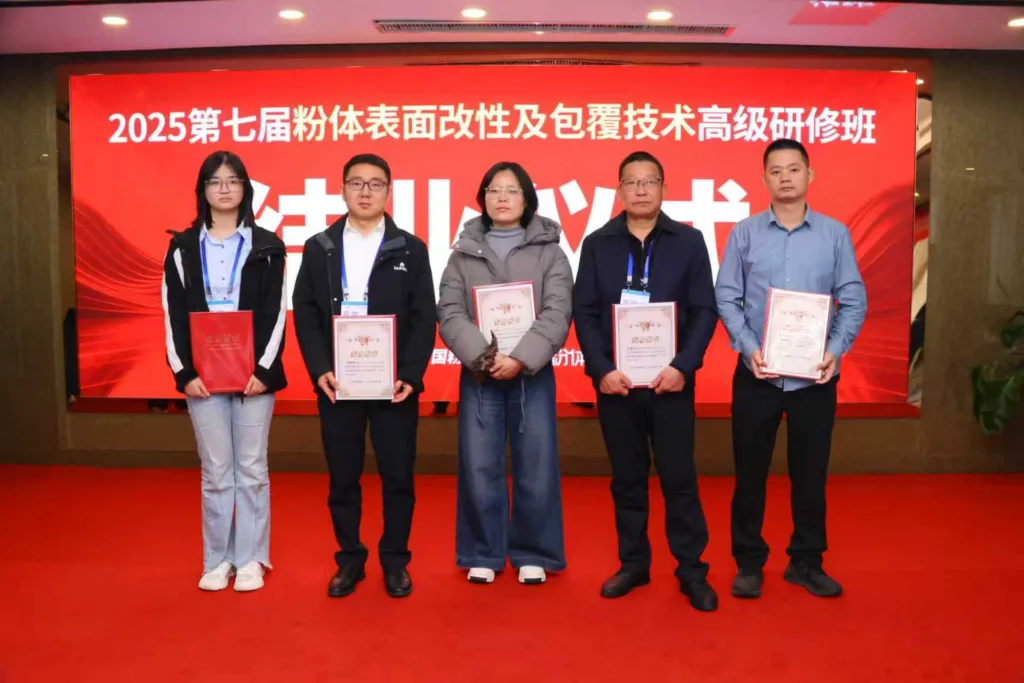
Whether it involves the interfacial optimization of calcium carbonate within polymer matrices, the enhancement of wetting and reinforcement properties of talc in plastic systems, or the exploration of process possibilities for coating and functionalizing mineral powders such as quartz—all these examples underscore the fact that surface engineering is rapidly emerging as a pivotal direction for the non-metallic powder industry.
For powder processing enterprises, surface modification and coating are no longer merely auxiliary steps; rather, they constitute critical links that directly determine a product’s performance, its scope of application, and its market value.
Daswell Powder is committed to providing clients—who work with non-metallic powders such as calcium carbonate, quartz, and talc—with superior equipment and continuous process improvements, while actively exploring treatment solutions that are more efficient, more stable, and better suited for large-scale industrial application.